
Bbdbuy Finds
Spreadsheet
OVER 5000+
WITH QC PHOTOS
Click the images below to browse!
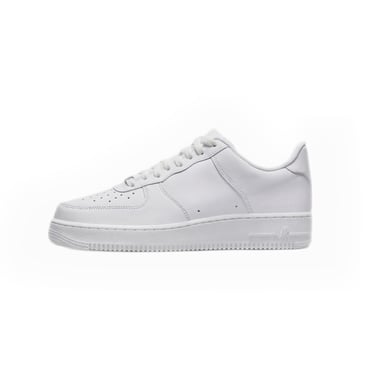
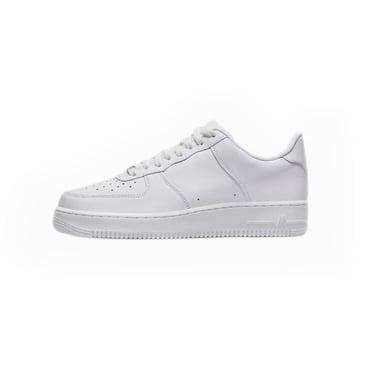
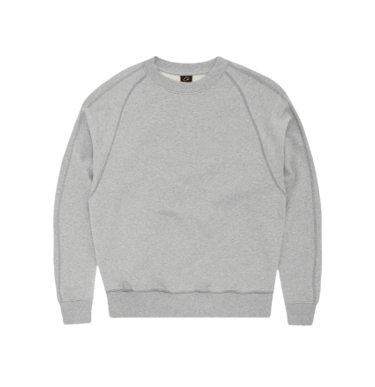
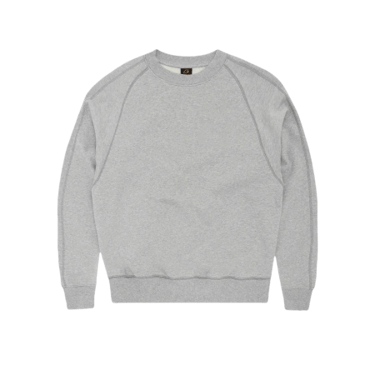
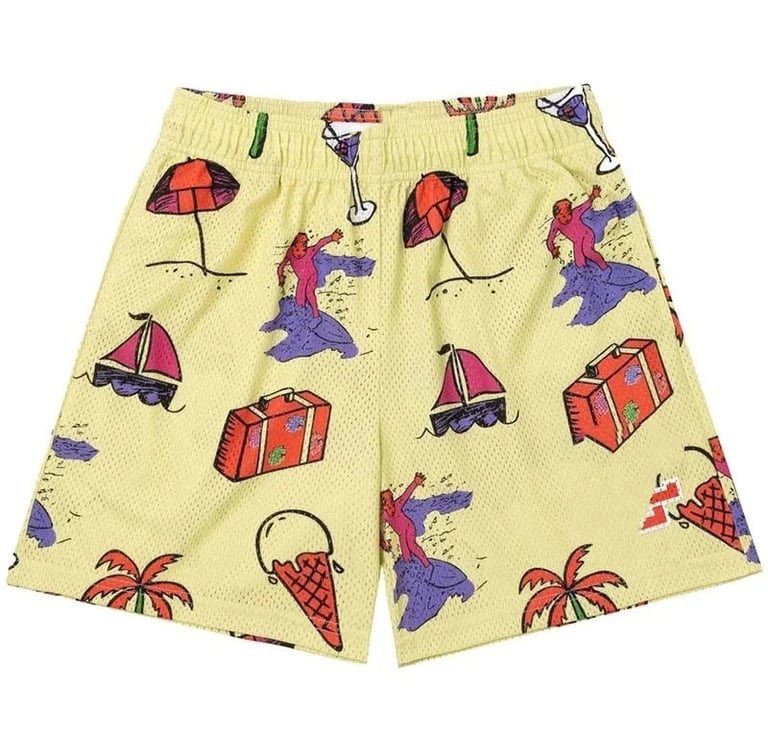
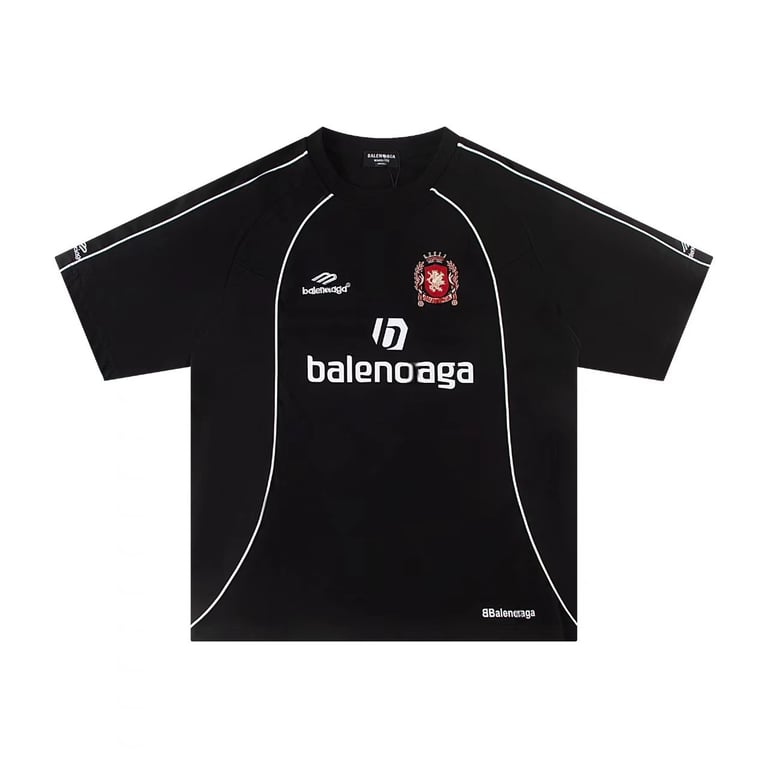
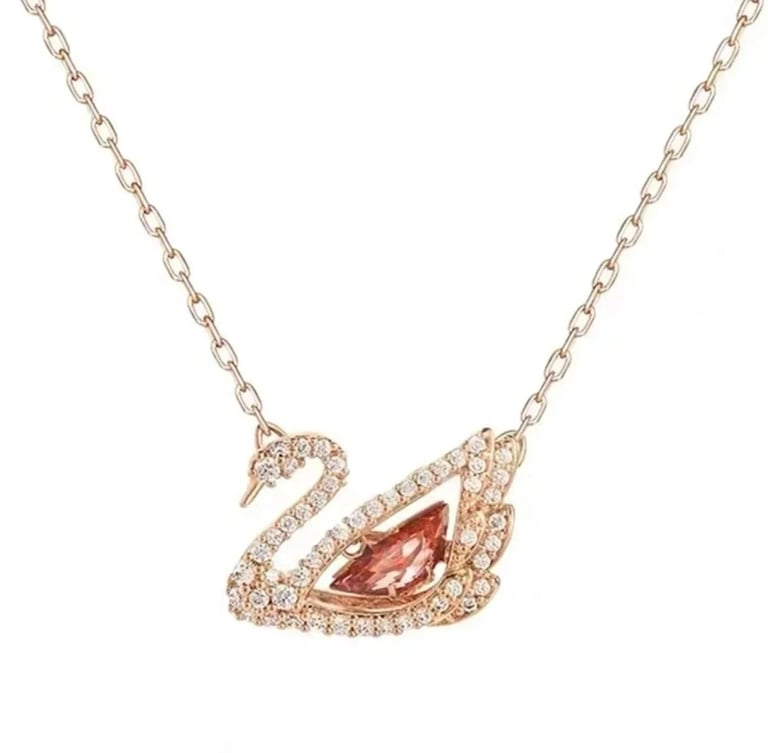
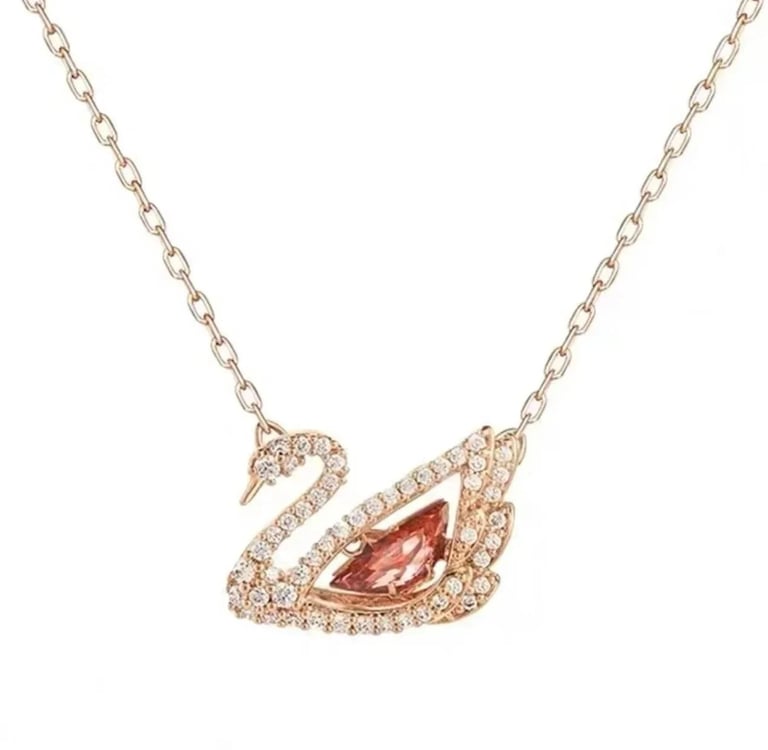
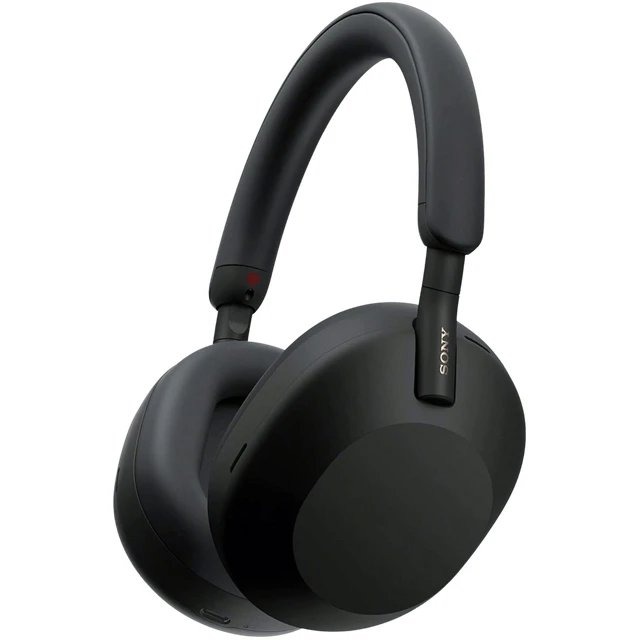
What are micro-store products in Bbdbuy spreadsheet system
In cross-border ecommerce, product sourcing is no longer limited to large wholesale catalogs or standardized manufacturing hubs. A growing portion of supply now comes from smaller, fast-updating seller environments often referred to as “micro-stores.” These micro-level suppliers play an increasingly important role in fast-moving retail and dropshipping ecosystems.
Within this context, the Bbdbuy spreadsheet integrates micro-store product data into its sourcing system to provide users with access to more flexible, niche, and rapidly changing product selections. Combined with Bbdbuy links, it allows sellers to evaluate these products efficiently and validate their sourcing potential in real time.
This article explains what micro-store products are and how they function inside the Bbdbuy spreadsheet system.
Understanding micro-store products in ecommerce sourcing
Micro-store products refer to items listed by small-scale suppliers or individual sellers rather than large wholesale manufacturers. These stores often operate with:
Smaller inventory volumes
Faster product rotation cycles
More niche or experimental product offerings
Flexible pricing structures
Unlike traditional wholesale suppliers, micro-stores are typically more responsive to short-term trends and experimental demand patterns.
In the Bbdbuy spreadsheet, these products are included as part of a broader sourcing ecosystem that combines both stable wholesale listings and agile micro-level supply sources.
Why micro-store products matter in modern ecommerce
The rise of platforms like TikTok Shop, Shopify dropshipping stores, and niche DTC brands has increased demand for unique and fast-moving products. Micro-store suppliers are particularly well suited for this environment because they can:
Quickly list new product variations
Adapt to short-term viral trends
Offer low-commitment sourcing options
Provide niche or experimental items not found in traditional catalogs
The Bbdbuy spreadsheet includes micro-store data to help users access these fast-moving opportunities before they become widely available in mainstream wholesale channels.
How micro-store products appear inside Bbdbuy spreadsheet
Inside the Bbdbuy spreadsheet, micro-store products are typically identifiable through their sourcing structure and listing behavior.
They often show:
Less standardized product formatting compared to wholesale entries
Frequent updates or replacements
Unique or niche product designs
Smaller batch availability indicators
Rapid variation changes
Unlike structured wholesale listings, micro-store entries are more dynamic and reflect real-time seller experimentation.
This makes them valuable for early-stage product discovery but also requires more careful validation.
Role of Bbdbuy links in micro-store validation
Because micro-store products are more dynamic and less standardized, validation becomes even more important. This is where Bbdbuy links play a critical role.
Through Bbdbuy links, users can directly access micro-store product pages to verify:
Whether the product is currently active or temporarily listed
Real-time pricing and discount behavior
Inventory stability for small batch sourcing
Supplier responsiveness and update frequency
Product variation consistency
Since micro-stores can change listings frequently, direct validation ensures that sourcing decisions are based on current conditions rather than outdated spreadsheet data.
Differences between micro-store and wholesale products
Within the Bbdbuy spreadsheet ecosystem, micro-store products and wholesale products serve different purposes.
Wholesale products typically offer:
Stable supply chains
Consistent pricing structures
Larger inventory capacity
Lower risk for bulk purchasing
Micro-store products, on the other hand, provide:
Higher trend responsiveness
Greater product uniqueness
Faster experimentation cycles
More flexible sourcing conditions
This distinction allows users to choose sourcing strategies based on business goals rather than treating all products equally.
When to use micro-store products in sourcing strategy
Micro-store products are particularly useful in specific ecommerce scenarios, such as:
Testing new product ideas quickly
Targeting niche audiences with unique items
Launching trend-based dropshipping campaigns
Exploring early-stage viral product opportunities
The Bbdbuy spreadsheet helps users identify these opportunities early, while Bbdbuy links provide immediate access for validation and testing.
However, micro-store sourcing is generally more suitable for testing phases rather than large-scale bulk purchasing.
Risk considerations when sourcing from micro-stores
While micro-store products offer speed and flexibility, they also come with higher variability.
Common risks include:
Inconsistent stock availability
Rapid product discontinuation
Limited supplier reliability history
Variable pricing behavior
Unstable long-term supply capacity
This is why validation through Bbdbuy links is essential before committing to any product strategy.
Users should always confirm stability before scaling micro-store sourced products.
How Bbdbuy spreadsheet balances micro and wholesale data
One of the strengths of the Bbdbuy spreadsheet system is its ability to combine both micro-store and wholesale sourcing data within a single framework.
This allows users to:
Compare stable wholesale products with fast-moving micro-store items
Identify hybrid opportunities (stable + trending)
Balance risk across different sourcing types
Build diversified product pipelines
Instead of treating sourcing as a single-channel process, the spreadsheet enables a multi-layer sourcing strategy.
Practical workflow for micro-store product evaluation
A structured approach to micro-store sourcing using the Bbdbuy spreadsheet includes:
Identify micro-store tagged products in the spreadsheet
Filter based on niche relevance and trend potential
Evaluate product uniqueness and variation speed
Validate availability and pricing via Bbdbuy links
Check supplier responsiveness and listing stability
Shortlist for small-scale testing campaigns
Monitor performance before scaling
This workflow helps reduce risk while maintaining access to fast-moving opportunities.
Conclusion
Micro-store products represent a fast-moving and flexible segment of modern ecommerce sourcing. Within the Bbdbuy spreadsheet system, they provide early access to niche and trend-driven products that may not yet appear in traditional wholesale channels.
When combined with validation through Bbdbuy links, users can evaluate these products efficiently while managing sourcing risk.
In today’s competitive ecommerce environment, the ability to balance stable wholesale sourcing with agile micro-store opportunities is a key advantage for building scalable and adaptive product strategies.


How to find unique products using Bbdbuy spreadsheet
In competitive ecommerce environments, product saturation is one of the biggest challenges for retailers and dropshippers. When too many sellers offer the same or similar items, advertising costs rise, margins shrink, and differentiation becomes difficult. Because of this, finding unique products has become a core strategy for building sustainable ecommerce businesses.
The Bbdbuy spreadsheet is designed to help users identify less common, niche, or differentiated products by organizing supplier data into structured, filterable listings. When combined with Bbdbuy links, it also allows users to quickly validate whether these unique products are truly viable in real sourcing conditions.
This article explains how to systematically find unique products using the Bbdbuy spreadsheet system.
Understanding what “unique products” mean in ecommerce
A unique product is not necessarily something completely new or never seen before. In ecommerce terms, uniqueness usually refers to:
Lower market saturation compared to competitors
Distinct design, function, or usage scenario
Limited supplier replication across listings
Strong niche appeal rather than mass-market exposure
Within the Bbdbuy spreadsheet, uniqueness is identified through sourcing patterns rather than subjective judgment.
This makes it easier for users to detect opportunities that are not yet overcrowded.
Step 1: Filtering niche categories inside Bbdbuy spreadsheet
The first step in finding unique products is category selection.
Inside the Bbdbuy spreadsheet, products are organized into structured categories that may include:
Lifestyle accessories
Home utility products
Small electronics accessories
Fashion niche segments
Experimental or emerging product groups
Instead of focusing on high-volume mainstream categories, users should prioritize smaller or more fragmented categories. These categories tend to have less competition and higher chances of product differentiation.
Niche filtering is the foundation of uniqueness discovery.
Step 2: Identifying low-repetition product patterns
One of the most effective ways to find unique products inside the Bbdbuy spreadsheet is to look for low repetition patterns.
Products that appear:
In fewer supplier listings
Without widespread duplication across categories
With limited variation across suppliers
are often more unique than highly repeated items.
Unlike trending products, which show high repetition, unique products tend to appear in isolated or limited sourcing instances.
This contrast helps users distinguish between viral saturation and genuine niche opportunities.
Step 3: Spotting uncommon product combinations
Another method of identifying unique products is analyzing product combinations or hybrid designs.
Inside the Bbdbuy spreadsheet, some listings may combine:
Multiple functions in one product
Unusual design elements
Cross-category usage scenarios
These hybrid products are often overlooked by mass-market sellers but can perform well in niche audiences.
For example, a product that combines utility and lifestyle appeal may not yet be widely adopted, making it a strong uniqueness candidate.
Step 4: Evaluating supplier scarcity through Bbdbuy links
Uniqueness is not only about product design but also about supplier availability.
Using Bbdbuy links, users can check whether:
Only a few suppliers offer the same product
Listings are newly introduced or unstable
Product variations are limited across sources
Supply is emerging rather than established
Supplier scarcity is often a strong indicator of uniqueness. If a product is not widely replicated, it is less likely to be saturated in the market.
This step ensures that uniqueness is confirmed in real sourcing conditions, not just spreadsheet structure.
Step 5: Identifying early-stage product concepts
Some of the most unique products are not fully developed yet—they are early-stage concepts appearing in supplier listings before they gain traction.
Inside the Bbdbuy spreadsheet, these may appear as:
First-time listings of a product idea
Limited variation versions of a new concept
Products with incomplete category placement
Experimental supplier entries
These early-stage products are often overlooked but can become strong opportunities if demand develops later.
Detecting them early requires careful observation of listing behavior rather than relying on popularity.
Step 6: Cross-category uniqueness analysis
True uniqueness often appears when a product does not clearly belong to a single category.
Inside the Bbdbuy spreadsheet, users may find products that:
Appear in multiple unrelated categories
Are used differently across supplier listings
Have flexible positioning depending on context
These cross-category products are often more innovative and less saturated because they do not fit traditional product classification systems.
This flexibility increases their potential for niche targeting.
Step 7: Validating uniqueness through Bbdbuy links
Once a product appears unique inside the spreadsheet, validation is required.
Through Bbdbuy links, users can confirm:
Whether the product is actively available or just experimental
Real supplier consistency across listings
Pricing behavior relative to similar products
Actual variation depth and fulfillment capability
This ensures that uniqueness is supported by real sourcing feasibility, not just structural appearance.
Without validation, some “unique” products may turn out to be unstable or non-scalable.
Common mistakes when searching for unique products
Many users misunderstand uniqueness and make sourcing errors.
Common mistakes include:
Confusing low popularity with high potential uniqueness
Ignoring supplier scarcity signals
Overvaluing visual novelty without market relevance
Skipping Bbdbuy links validation
Selecting overly experimental products without supply stability
Effective uniqueness sourcing requires balancing novelty with practicality.
Building a repeatable uniqueness discovery system
Over time, users can turn the Bbdbuy spreadsheet into a repeatable system for finding unique products:
Filter niche categories
Identify low-repetition listings
Look for hybrid or cross-category products
Check supplier scarcity patterns
Validate through Bbdbuy links
Shortlist for testing campaigns
Track performance and refine selection logic
This structured approach allows consistent discovery of differentiated products rather than random selection.
Conclusion
Finding unique products is a key competitive advantage in ecommerce, especially in saturated markets. The Bbdbuy spreadsheet enables users to identify uniqueness through structured signals such as low repetition, niche categorization, hybrid product design, and supplier scarcity.
When combined with validation through Bbdbuy links, it becomes a powerful system for discovering differentiated products with real sourcing potential.
In fast-moving ecommerce environments, this ability to consistently identify unique opportunities can significantly improve store performance and long-term scalability.